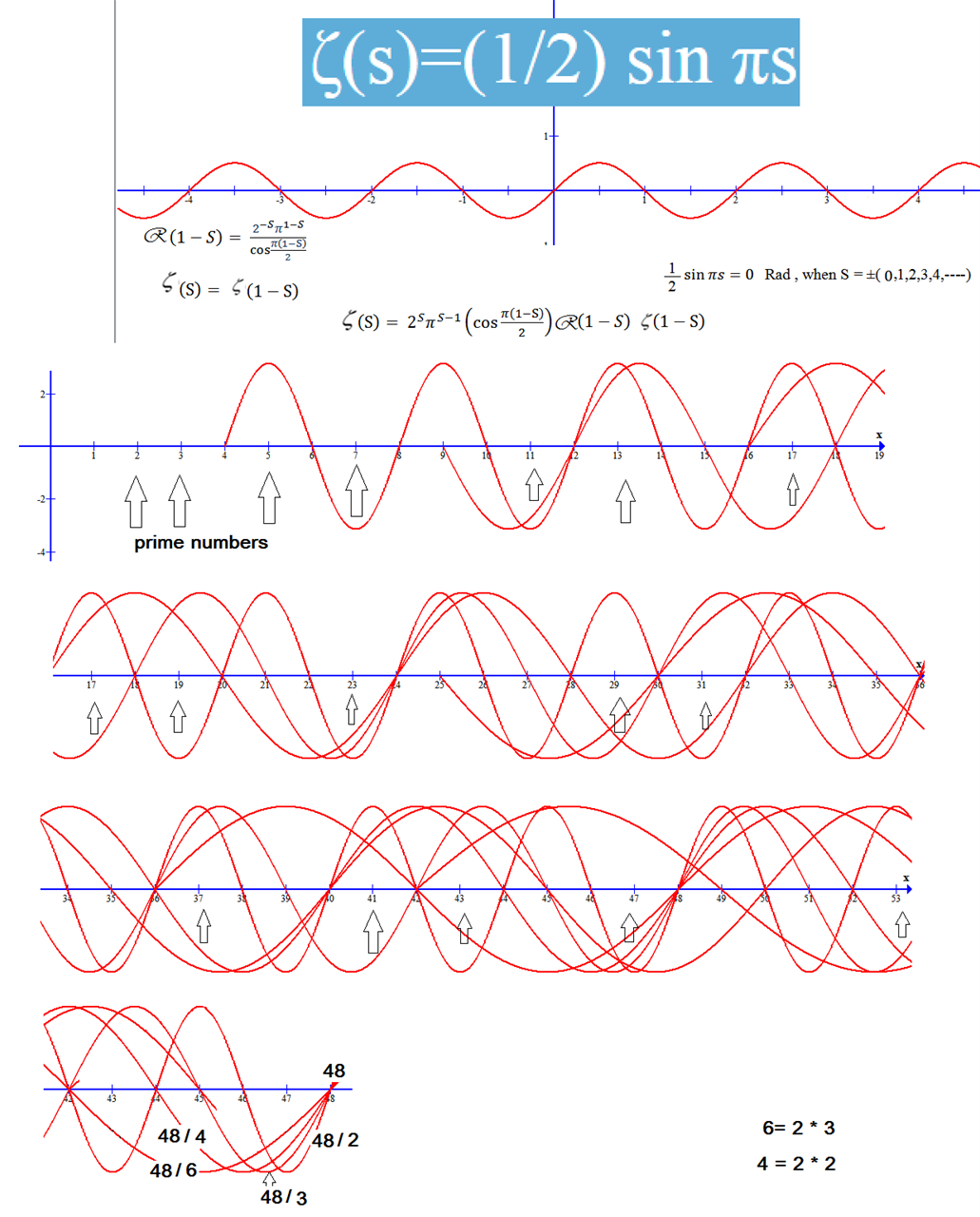
Grand Unified Theory (syntax)
Grand Unified Theory (GUT) is successful in describing the four forces as distinct under normal circumstances, but connected in fundamental ways.
This section is referring to wiki page-26 of main section-4 that is inherited from the spin section-139 by prime spin-35 and span- with the partitions as below.
GUT is also successful in describing a system of carrier particles for all four forces, but there is much to be done, particularly in the realm of gravity.
User Profiles
This diagram outlines the algebraic gauge structure of particle physics, which is mathematically formulated as the product group {U}(1) x {SU}(2) x {SU}(3).
A number of other GUT models are based upon subgroups of SO(10). They are the minimal left-right model, SU(5), flipped SU(5) and the Pati–Salam model.
SU(5) fermions of standard model in 5+10 representations. The sterile neutrino singlet’s 1 representation is omitted. Neutral bosons are omitted, but would occupy diagonal entries in complex superpositions. X and Y bosons as shown are the opposite of the conventional definition
This results in a fundamental causal relation to the primes, systemically the products are entered into the position system.
Unification
$True Prime Pairs:
(5,7$True Prime Pairs:
(5,7), (11,13), (17,19)

     |    168    |    618    |
-----+-----+-----+-----+-----+                                             ---
 19¨ |  3¨ |  4¨ |  6¨ |  6¨ | 4¤  ----->  assigned to "id:30"             19¨
-----+-----+-----+-----+-----+                                             ---
 17¨ | {5¨}| {3¨}|  2¨ |  7¨ | 4¤  ----->  assigned to "id:31"              |
     +-----+-----+-----+-----+                                              |
{12¨}|  6¨ |  6¨ |  2¤ (M & F)     ----->  assigned to "id:32"              |
     +-----+-----+-----+                                                    |
 11¨ |  3¨ | {3¨}| {5¨}| 3¤  --->  Np(33)  assigned to "id:33"  ----->  👉 77¨
-----+-----+-----+----+-----+                                              |
 19¨ |  4¨ |  4¨ |  5¨ |  6¨ | 4¤  ----->  assigned to "id:34"              |
     +-----+-----+-----+-----+                                              |
{18¨}|  ❓ |  ❓ |  ❓ | 3¤ ✔️     ----->  assigned to "id:35"              |
     +-----+-----+-----+-----+-----+-----+-----+-----+-----+               ---
 43¨ |  .. |  .. |  .. |  .. |  .. |  .. |  .. |  .. |  .. | 9¤ (C1 & C2)  43¨
-----+-----+-----+-----+-----+-----+-----+-----+-----+-----+               ---
139¨ |  1     2     3  |  4     5     6  |  7     8     9  |
                    Δ                 Δ                 Δ
$True Prime Pairs:
(5,7$True Prime Pairs:
(5,7), (11,13), (17,19)

     |    168    |    618    |
-----+-----+-----+-----+-----+                                             ---
 19¨ |  3¨ |  4¨ |  6¨ |  6¨ | 4¤  ----->  assigned to "id:30"             19¨
-----+-----+-----+-----+-----+                                             ---
 17¨ | {5¨}| {3¨}|  2¨ |  7¨ | 4¤  ----->  assigned to "id:31"              |
     +-----+-----+-----+-----+                                              |
{12¨}|  6¨ |  6¨ |  2¤ (M & F)     ----->  assigned to "id:32"              |
     +-👇--+-👇--+-----+                                                    |
 11¨ |  3¨ | {3¨}| {5¨}| 3¤  --->  Np(33)  assigned to "id:33"  ----->  👉 77¨
-----+-👇--+-👇--+----+-----+                                              |
 19¨ |  4¨ |  4¨ |  5¨ |  6¨ | 4¤  ----->  assigned to "id:34"              |
     +-----+-----+-----+-----+                                              |
{18¨}|  ❓ |  ❓ |  .. | 3¤ ✔️     ----->  assigned to "id:35"              |
     +-----+-----+-----+-----+-----+-----+-----+-----+-----+               ---
 43¨ |  .. |  .. |  .. |  .. |  .. |  .. |  .. |  .. |  .. | 9¤ (C1 & C2)  43¨
-----+-----+-----+-----+-----+-----+-----+-----+-----+-----+               ---
139¨ |  1     2     3  |  4     5     6  |  7     8     9  |
                    Δ                 Δ                 Δ
$True Prime Pairs:
(5,7$True Prime Pairs:
(5,7), (11,13), (17,19)

     |    168    |    618    |
-----+-----+-----+-----+-----+                                             ---
 19¨ |  3¨ |  4¨ |  6¨ |  6¨ | 4¤  ----->  assigned to "id:30"             19¨
-----+-----+-----+-----+-----+                                             ---
 17¨ | {5¨}| {3¨}|  2¨ |  7¨ | 4¤  ----->  assigned to "id:31"              |
     +-----+-----+-----+-----+                                              |
{12¨}|  6¨ |  6¨ |  2¤ (M & F)     ----->  assigned to "id:32"              |
     +-👇--+-👇--+-👇--+                                                    |
 11¨ |  3¨ | {3¨}| {5¨}| 3¤  --->  Np(33)  assigned to "id:33"  ----->  👉 77¨
-----+-👇--+-👇--+-👇--+-----+                                              |
 19¨ |  4¨ |  4¨ |  5¨ |  6¨ | 4¤  ----->  assigned to "id:34"              |
     +-----+-----+-----+-----+                                              |
{18¨}|  ❓ |  ❓ |  .. | 3¤ ✔️     ----->  assigned to "id:35"              |
     +-----+-----+-----+-----+-----+-----+-----+-----+-----+               ---
 43¨ |  .. |  .. |  .. |  .. |  .. |  .. |  .. |  .. |  .. | 9¤ (C1 & C2)  43¨
-----+-----+-----+-----+-----+-----+-----+-----+-----+-----+               ---
139¨ |  1     2     3  |  4     5     6  |  7     8     9  |
                    Δ                 Δ                 Δ
$True Prime Pairs:
(5,7$True Prime Pairs:
(5,7), (11,13), (17,19)

     |    168    |    618    |
-----+-----+-----+-----+-----+                                             ---
 19¨ |  3¨ |  4¨ |  6¨ |  6¨ | 4¤  ----->  assigned to "id:30"             19¨
-----+-----+-----+-----+-----+                                             ---
 17¨ | {5¨}| {3¨}|  2¨ |  7¨ | 4¤  ----->  assigned to "id:31"              |
     +-----+-----+-----+-----+                                              |
{12¨}|  6¨ |  6¨ |  2¤ (M & F)     ----->  assigned to "id:32"              |
     +-----+-----+-👇--+                                                    |
 11¨ |  3¨ | {3¨}| {5¨}| 3¤  --->  Np(33)  assigned to "id:33"  ----->  👉 77¨
-----+-----+-----+-👇--+-----+                                              |
 19¨ |  4¨ |  4¨ |  5¨ |  6¨ | 4¤  ----->  assigned to "id:34"              |
     +-👇--+-👇--+-----+-----+                                              |
{18¨}|  5¨ |  5¨ |  .. | 3¤ ✔️     ----->  assigned to "id:35"              |
     +-----+-----+-----+-----+-----+-----+-----+-----+-----+               ---
 43¨ |  .. |  .. |  .. |  .. |  .. |  .. |  .. |  .. |  .. | 9¤ (C1 & C2)  43¨
-----+-----+-----+-----+-----+-----+-----+-----+-----+-----+               ---
139¨ |  1     2     3  |  4     5     6  |  7     8     9  |
                    Δ                 Δ                 Δ
$True Prime Pairs:
(5,7$True Prime Pairs:
(5,7), (11,13), (17,19)

     |    168    |    618    |
-----+-----+-----+-----+-----+                                             ---
 19¨ |  3¨ |  4¨ |  6¨ |  6¨ | 4¤  ----->  assigned to "id:30"             19¨
-----+-----+-----+-----+-----+                                             ---
 17¨ | {5¨}| {3¨}|  2¨ |  7¨ | 4¤  ----->  assigned to "id:31"              |
     +-----+-----+-----+-----+                                              |
{12¨}|  6¨ |  6¨ |  2¤ (M & F)     ----->  assigned to "id:32"              |
     +-----+-----+-----+                                                    |
 11¨ |  3¨ | {3¨}| {5¨}| 3¤  --->  Np(33)  assigned to "id:33"  ----->  👉 77¨
-----+-----+-----+-----+-----+                                              |
 19¨ |  4¨ |  4¨ |  5¨ |  6¨ | 4¤  ----->  assigned to "id:34"              |
     +-----+-----+-----+-----+                                              |
{18¨}|  5¨ |  5¨ |  8¨ | 3¤ ✔️     ----->  assigned to "id:35"              |
     +-----+-----+-----+-----+-----+-----+-----+-----+-----+               ---
 43¨ |  .. |  .. |  .. |  .. |  .. |  .. |  .. |  .. |  .. | 9¤ (C1 & C2)  43¨
-----+-----+-----+-----+-----+-----+-----+-----+-----+-----+               ---
139¨ |  1     2     3  |  4     5     6  |  7     8     9  |
                    Δ                 Δ                 Δ
This scheme goes to the unification of 11s with 7s to 18s meanwhile the 11th it self behave as residual by the 5th minor hexagon between the 30 to 36' cells.
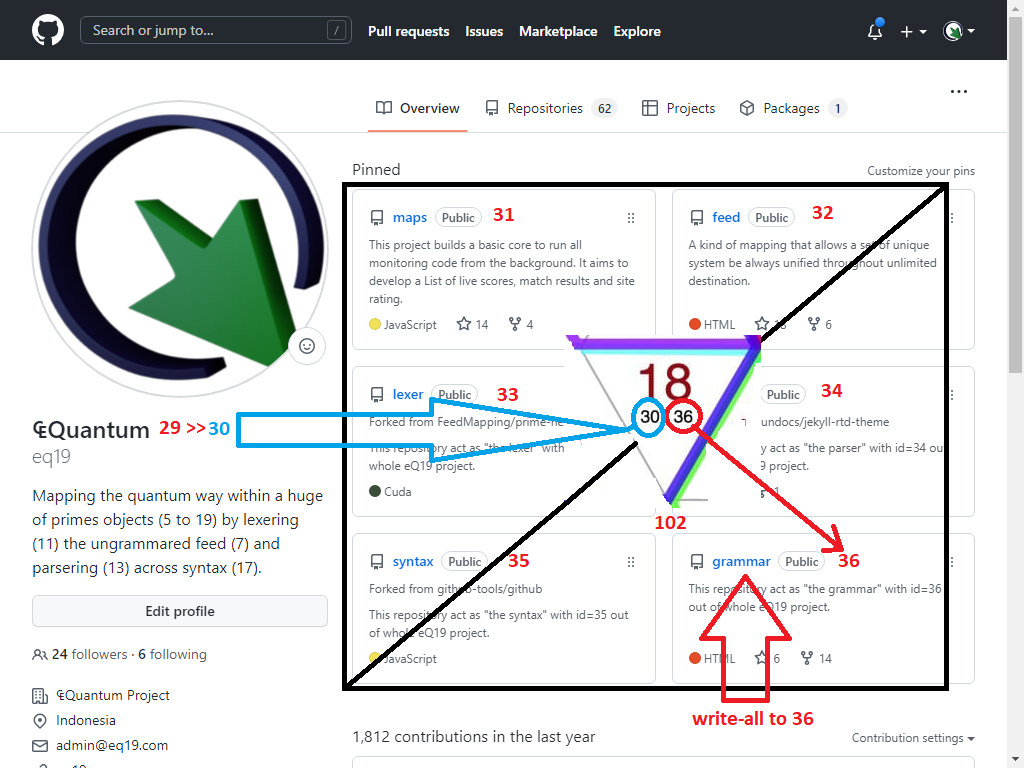
This also introduces a lower bound of Mod 90 originated from the 4th coupling of MEC30 which is holded by five (5) cells between 13 and 17.
The Minimal Supersymmetric Standard Model (MSSM) contains two Higgs doublets, leading to five (5) physical Higgs bosons:
- one (1) neutral CP-odd (A) 👈 degenerated with (h or H)
- two (2) charged states (H+ and H−),
- Two (2) neutral CP-even states (h and H).
At tree-level, the masses are governed by two parameters, often taken to be mA and tan β [3]. When tan β >> 1, A is nearly degenerated with one of the CP-even states (denoted ϕ). (ScienceDirect)
These waves have phase offsets, meaning they peak at different times. This all relates to Zitterbewegung, a term describing the jittery motion of particles in quantum mechanics.
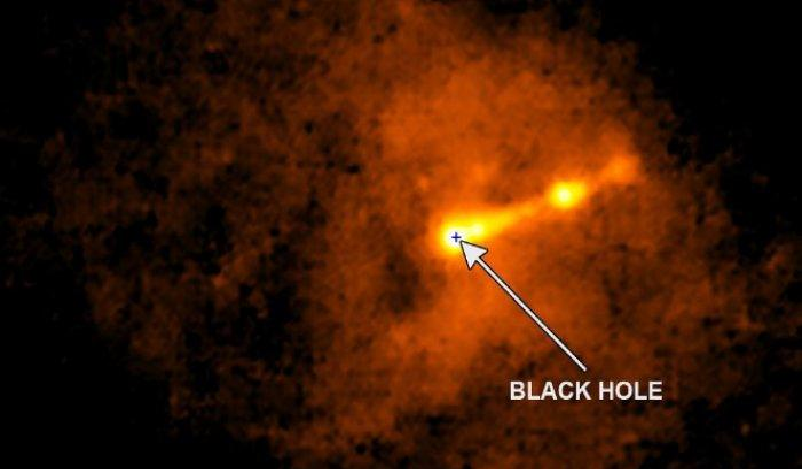
Black Hole
E = mc²
m = E = mc²
m = E/c²

c = 1 light-second
  = 1000 years x L / t
  = 12,000 months x 2152612.336257 km / 86164.0906 sec
  = 299,792.4998 km / sec

Note:
1 year = 12 months
1000 years = 12,000 months
Te = earth revolution = 365,25636 days
R = radius of moon rotation to earth = 384,264 km
V = moon rotation speed = 2πR/Tm = 3682,07 km/hours
Ve = excact speed = V cos (360° x Tm/Te) = V cos 26,92848°
Tm = moon revolution (sidereal) = 27,321661 days = 655,719816 hours
t = earth rotation (sinodik) = 24 hours = 24 x 3600 sec = 86164.0906 sec
L = Ve x Tm = 3682,07 km/hours x cos 26,92848° x 655,71986 = 2152612.336257 km

Conclusion:
π(π(π(π(π(32(109²-89²)))))) Universe vs Parallel vs Multiverse (via blackhole)
   👇
π(π(π(π(32(109²-89²))))) Galaxies vs Universe vs Parallel (gap in 2nd-level)
   👇
π(π(π(32(109²-89²)))) Sun vs Galaxies vs Universe (2nd gap in 1st-level)
   👇
π(π(32(109²-89²))) Moon vs Sun vs Galaxies (1st-gap via dark matter)
   👇
|--👇---------------------------- 2x96 ---------------------|
|--👇----------- 7¤ ---------------|---------- 5¤ ----------|
|- π(32(109²-89²))=109² -|-- {36} -|-------- {103} ---------|
+----+----+----+----+----+----+----+----+----+----+----+----+
|  5 |  7 | 11 |{13}| 17 | 19 | 17 |{12}| 11 | 19 | 18 |{43}|
+----+----+----+----+----+----+----+----+----+----+----+----+
|--------- {53} ---------|---- {48} ----|---- {48} ----|109²-89² 👉 Unknown
|---------- 5¤ ----------|------------ {96} -----------|-1¤-|
|-------- Bosons --------|---------- Fermions ---------|-- Graviton
|-- Sun Orbit (7 days) --|--- Moon Orbit (12 months) --| (11 Galaxies)
|------------ Part of 1 Galaxy (Milky Way) ------------| Non Milky Way 👉 Σ=12
How water is formed
Finally, there exist scenarios in which there could actually be more than 4D of spacetime. String theories require extra dimensions of spacetime for their mathematical consistency. In string theory, spacetime is 26-dimensional, while in superstring theory it is 10-dimensional, and in M-theory it is 11-dimensional.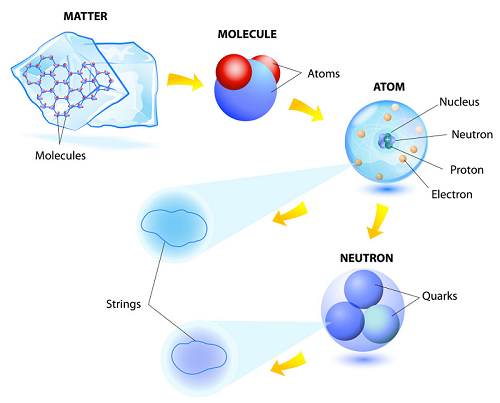
These are situations where theories in two or three spacetime dimensions are no more useful. This classification theorem identifies several infinite families of groups as well as 26 additional groups which do not fit into any family. (Wikipedia)
[(6 + 6) x 6] + [6 + (6 x 6)] = 72 + 42 = 71 + 42 + 1 = 114 objects
The Prime Recycling ζ(s):
(2,3), (29,89), (36,68), (72,42), (100,50), (2,3), (29,89), ...**infinity**
----------------------+-----+-----+-----+                                    ---
     7 --------- 1,2:1|   1 |  30 |  40 | 71 (2,3) ‹-------------@----        |
     |                +-----+-----+-----+-----+                        |      |
     |  8 ‹------  3:2|   1 |  30 |  40 |  90 | 161 (7) ‹---           |      5¨  encapsulation
     |  |             +-----+-----+-----+-----+             |          |      |
     |  |  6 ‹-- 4,6:3|   1 |  30 | 200 | 231 (10,11,12) ‹--|---       |      |
     |  |  |          +-----+-----+-----+-----+             |   |      |     ---
      --|--|-----» 7:4|   1 |  30 |  40 | 200 | 271 (13) --›    | {5®} |      |
        |  |          +-----+-----+-----+-----+                 |      |      |
         --|---› 8,9:5|   1 |  30 | 200 | 231 (14,15) ---------›       |      7¨  abstraction
289        |          +-----+-----+-----+-----+-----+                  |      |
 |          ----› 10:6|  20 |   5 |  10 |  70 |  90 | 195 (19) --› Φ   | {6®} |
  --------------------+-----+-----+-----+-----+-----+                  |     ---
     67 --------› 11:7|   5 |   9 |  14 (20) --------› ¤               |      |
     |                +-----+-----+-----+                              |      |
     |  78 ‹----- 12:8|   9 |  60 |  40 | 109 (26) «------------  ✔️   |     11¨  polymorphism
     |  |             +-----+-----+-----+                       |      |      |
     |  |  86‹--- 13:9|   9 |  60 |  69 (27) «-- Δ19 (Rep Fork) | {2®} |      |
     |  |  |          +-----+-----+-----+                       |      |     ---
     |  |   ---› 14:10|   9 |  60 |  40 | 109 (28) -------------       |      |
     |  |             +-----+-----+-----+                              |      |
     |   ---› 15,18:11|   1 |  30 |  40 | 71 (29,30,31,32) ----------        13¨  inheritance
329  |                +-----+-----+-----+                                     |
  |   ‹--------- 19:12|  10 |  60 | {70} (36) ‹--------------------- Φ        |
   -------------------+-----+-----+                                          ---
    786 ‹------- 20:13|  90 |  90 (38) ‹-------------- ¤                      |
     |                +-----+-----+                                           |
     | 618 ‹- 21,22:14|   8 |  40 |  48 (40,41) ‹----------------------      17¨  class
     |  |             +-----+-----+-----+-----+-----+                  |      |
     |  | 594 ‹- 23:15|   8 |  40 |  70 |  60 | 100 | 278 (42) «--     |{6'®} |
     |  |  |          +-----+-----+-----+-----+-----+             |    |     ---
      --|--|-»24,27:16|   8 |  40 |  48 (43,44,45,46) ------------|----       |
        |  |          +-----+-----+                               |           |
         --|---› 28:17| 100 | {100} (50) ------------------------»           19¨  object
168        |          +-----+                                                 |
|         102 -› 29:18| 50  | 50(68) ---------> Δ18                           |
----------------------+-----+                                                ---
The only different is, instead of an instance, it will behave as an inside container, just like how spider built a home web as strong as steel but useless to cover them against a rainy day nor even a small breeze.
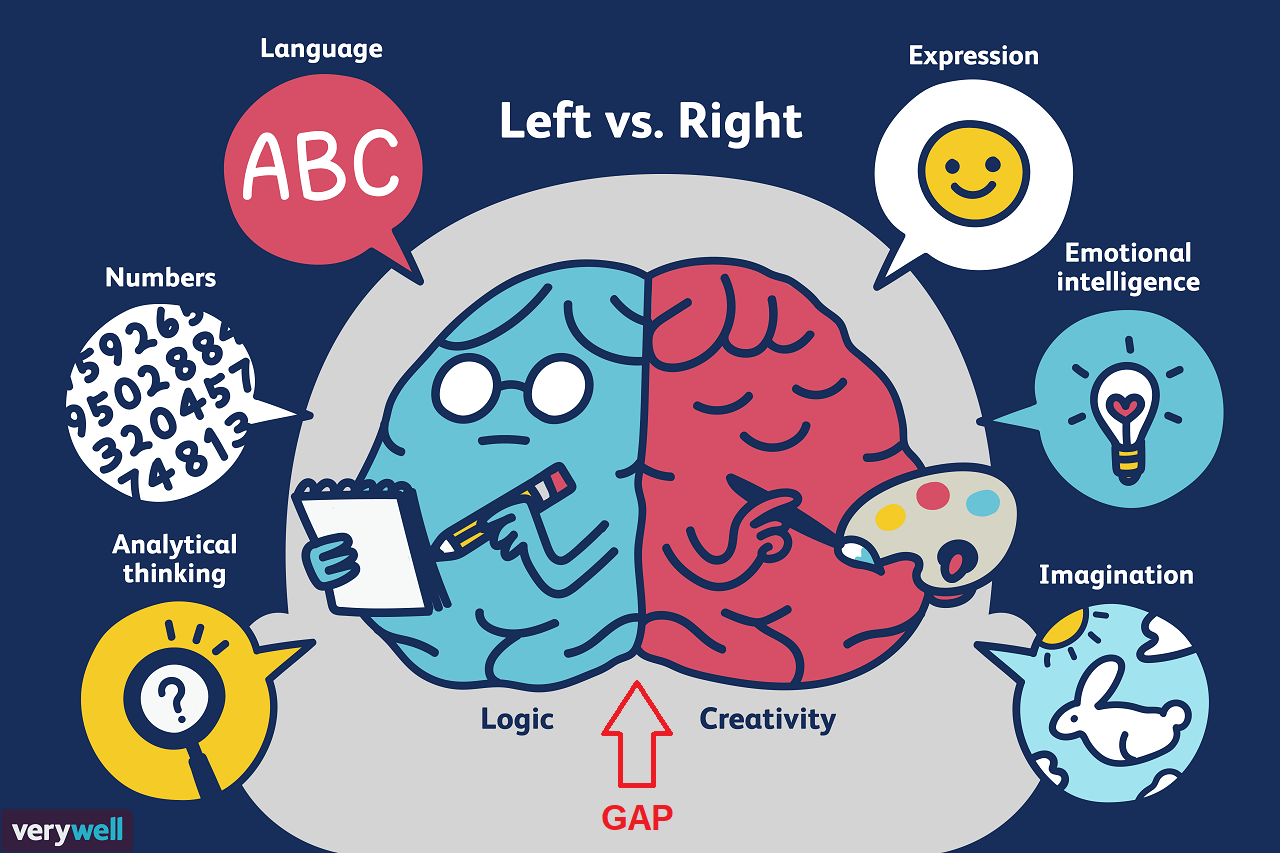
This would even close to the similar ability of human brain without undertanding of GAP functionality between left and right of the human brain.
Final Theory